
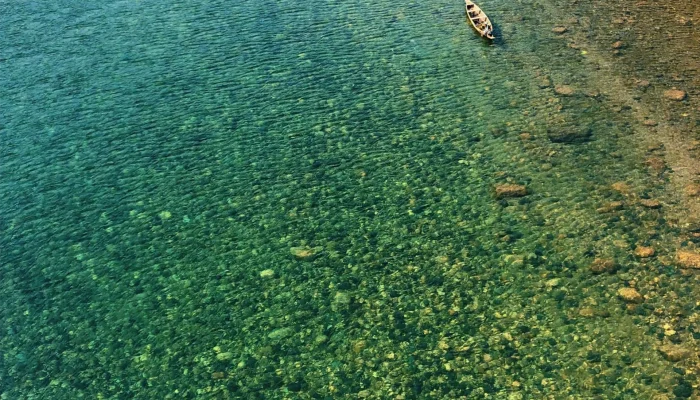
Let’s be real: The “Floating Boat” of Dawki is one of the most viral images of Indian tourism. You’ve seen it—a wooden boat suspended over water so clear it looks like it’s gliding on air.
But here’s the brutal truth: That river doesn’t look like that year-round.
If you show up in July, you won’t see a glass river; you’ll see a turbulent, muddy stream that looks more like chocolate milk than a postcard. At Tripsiana, we don’t want you to waste your leaves and your money on a “maybe.”
Here is the definitive calendar for the Umngot River’s transparency.
The Transparency Timeline
November to February: The “Glass” Window (Best Time)
This is the only time you are guaranteed that 100% “Floating Boat” effect.
The Science: The monsoon has ended, the sediment has settled, and the river flow is at its calmest.
The View: You can see the riverbed 15–20 feet below.
Pro-Tip: Aim for 10:00 AM to 11:30 AM. This is when the sun is directly overhead, hitting the riverbed and creating that perfect shadow under the boat that makes it look like it’s hovering.
March to May: The “Clear-ish” Window
The Reality: The water is still beautiful and emerald green, but the clarity starts to drop. Pre-monsoon showers can occasionally stir up the silt.
The Vibe: Great for swimming and kayaking, but the “floating air” illusion might be 70–80% instead of 100%.
June to September: The “Muddy” Window (Avoid for Photos)
The Reality: This is peak monsoon. Meghalaya is one of the wettest places on earth, and all that rain washes red soil and debris into the river.
The View: The river becomes deep, fast-moving, and murky.
Brutally Honest Advice: If your only goal is the “floating boat” shot, do not come now. You will be disappointed. Come for the waterfalls instead.
October: The “Transition” Month
The Reality: This is a gamble. If the rains stop early, the water clears up by late October. If it’s a late monsoon, it stays cloudy.
3 Secrets for the Perfect Dawki Shot
1 Skip the Dawki Bridge
The main Dawki boating point is crowded and commercial. For the best photos, go 7 km further to Shnongpdeng.
The water is just as clear, the crowds are thinner, and the suspension bridge there provides a better top-down angle for your drone or camera.
2 Polarize Your Lens
If you’re using a DSLR or a high-end phone, use a CPL filter. It cuts the reflection of the sky on the water surface, allowing your camera to see straight through to the bottom.
3 Check Yesterday’s Weather
This is a Tripsiana insider secret. If it rained heavily in the Jaintia Hills yesterday, the water will be slightly cloudy today—even if the sun is out.
We keep our travelers updated on local rainfall so they can swap their itinerary days for the best visibility.
Why “Hassle-Free” Matters at Dawki
Dawki is a border town. It can get chaotic with trucks and day-trippers.
The Tripsiana Edge: We arrange early-morning boat slots before the busloads of tourists arrive from Shillong.
Stay Local: We recommend staying in a riverside tent at Shnongpdeng so you wake up right on the water, ready for that 8:00 AM “first light” shot.
Chasing the perfect shot?
Don’t leave it to luck. Let’s time your trip perfectly so your photos look exactly like the ones on your mood board.