Why Public Transport in Meghalaya is a Trap: And Why a Private Cab is Your Only Real Option
If you’ve traveled through Himachal or Kerala, you’re probably used to a reliable network of local buses and rickshaws. You think, “I’ll just hop on a state bus to save some money.” Let’s be brutally honest: In Meghalaya, that is a trap. While the “backpacker” in you wants to save a few thousand rupees, the “traveler” in you will pay for it in wasted days, missed views, and incredible frustration. At Tripsiana, we don’t push private cabs just to sell a package; we do it because, without one, you aren’t really seeing Meghalaya. Here is why “going local” with transport is a losing game. 1. The “Point-to-Point” Problem Meghalaya’s beauty isn’t in the towns; it’s in the gaps between them. The Trap: Public buses and shared Sumos only run between major hubs (e.g., Shillong to Sohra). They will not stop at the Laitlum Canyons, they won’t pull over for a stunning “hidden” waterfall, and they won’t wait while you take photos. The Reality: You’ll spend your day sitting in a cramped station waiting for a Sumo to fill up, only to zip past 80% of the things you actually came to see. 2. The “Shared Sumo” Struggle Shared Sumos are the lifeline of the locals, but they aren’t built for tourists. The Trap: A vehicle meant for 7 people will often carry 10. You will be squeezed between sacks of potatoes and local commuters. The Reality: There is no “luggage rack.” If you’re carrying a suitcase or a large backpack, you’ll either have to pay for an extra seat or keep it on your lap for a 3-hour winding mountain journey. It’s the opposite of “hassle-free.” 3. The “Last Mile” Nightmare So, you took a bus to the main market in Sohra. Great. Now, how do you get to Wei Sawdong Falls? The Trap: Local internal transport is almost non-existent. You’ll have to negotiate with local taxis who know you’re stranded. The Reality: By the time you pay for multiple short-distance taxis, you’ll likely end up spending more than the cost of a daily private cab, with three times the stress. 4. The Fog & Rain Factor Meghalaya’s weather changes in seconds. The Trap: If a heavy downpour starts while you’re at a viewpoint, there is no “Uber” to call. You are at the mercy of whatever vehicle happens to pass by. The Reality: A private cab is your mobile base camp. It holds your dry clothes, your snacks, and provides a safe, warm shelter the moment the weather turns south. The Tripsiana Difference: More Than Just a Driver When we say “Private Cab,” we aren’t just talking about a car. The “Local Fixer”: Our drivers are hand-picked. They aren’t just steering the wheel; they are your translators, your local guides, and the people who know exactly which hidden turn leads to a secret waterfall. Flexibility is Freedom: If you love a particular spot, we stay for two hours. If you want to skip a crowded viewpoint, we move on. You are the boss of the itinerary. Safety First: Navigating Meghalaya’s hairpins in the fog at 5:00 PM requires serious skill. Our drivers are experts in local terrain, ensuring you get back to your hotel safely while you relax in the backseat. Don’t be “Penny Wise, Pound Foolish.” Your time in the hills is precious. Don’t spend it waiting at a dusty bus stand. Let’s get you a set of wheels that turns a “trip” into an “experience.” Book a Hassle-Free Private Vehicle Package with Tripsiana
Meghalaya vs. Sikkim: Which North Eastern Paradise Should You Choose for Your First Trip?
If you’ve started researching the North East, you’ve hit the classic deadlock: Meghalaya or Sikkim? Both are stunning, both are in the Himalayas (mostly), and both promise “once-in-a-lifetime” views. Most travel agents will tell you “both are great!” because they just want your booking. Let’s be brutally honest: They are completely different worlds. Choosing the wrong one for your personality can lead to a very expensive mistake. At Tripsiana, we want you to land in the place that fits your vibe. Here is the unfiltered breakdown to help you decide. 1. The Landscape: Canyons vs. Giant Peaks Meghalaya Think of it as the “Scotland of the East.” It’s about deep green canyons, dramatic plateaus, and thousands of waterfalls. You are on top of the mountains looking down into the plains of Bangladesh. Sikkim This is the “Big Mountain” experience. It’s about towering, snow-capped peaks like Kanchenjunga, high-altitude lakes like Tsomgo Lake, and rugged, vertical terrain. You are at the base of the giants looking up. The Winner: Meghalaya if you love lush greenery and waterfalls; Sikkim if you want snow and high-altitude drama. 2. The Adventure: Walking vs. Driving Meghalaya This is a “walking” state. To see the best stuff—the Living Root Bridges, the hidden falls—you have to use your legs. It’s an immersive, physical experience. Sikkim This is a “driving” state. Most of the iconic spots like Gurudongmar Lake and Nathu La involve long, 6–8 hour drives on winding roads. You spend more time in the car, but the destinations are legendary. The Winner: Meghalaya for active trekkers; Sikkim for those who prefer scenic road trips. 3. The Culture: Tribal vs. Monastic Meghalaya Dominated by the Khasi, Jaintia, and Garo tribes. It’s a matrilineal society with a heavy emphasis on sacred groves, local markets, and a legendary rock music scene in Shillong. Sikkim A beautiful blend of Tibetan Buddhist, Lepcha, and Nepali cultures. It’s about colorful monasteries, prayer flags, and a more “Himalayan” spiritual vibe. Places like Rumtek Monastery define the atmosphere. The Winner: Meghalaya for a unique tribal/modern-rock fusion; Sikkim for a peaceful, spiritual experience. 4. The Weather & Accessibility Meghalaya Much easier to reach. Fly to Guwahati and you’re in the hills in 3 hours. It’s humid, rainy, and neon-green for much of the year. Sikkim Requires more effort. The drive from Bagdogra or New Jalpaiguri Junction to Gangtok is 4–5 hours and can be rough. It’s much colder, especially in North Sikkim where temperatures regularly hit -10°C. The Winner: Meghalaya for a “hassle-free” short break; Sikkim for a longer, more rugged expedition. The Brutal Reality Check Don’t go to Sikkim if: You get severe motion sickness or altitude sickness. The roads are brutal and the height is no joke. Don’t go to Meghalaya if: You hate stairs. Seriously. If you have bad knees and aren’t interested in caves or forest walks, you’ll miss 60% of the magic. The Tripsiana Verdict Choose Meghalaya for your first trip if: You have 5–7 days, you love trekking, you’re traveling with a partner or friends, and you want a mix of nature and urban café culture. Choose Sikkim for your first trip if: You have 8–10 days, you want to see snow, you’re fascinated by Buddhism, and you don’t mind long hours in a luxury SUV. Still undecided? At Tripsiana, we don’t just sell packages; we match-make travelers with destinations. Tell us what’s in your “dream vacation” bucket list, and we’ll tell you which state will actually deliver. [Compare our Meghalaya and Sikkim Custom Itineraries]
What if it Pours? Our “Plan B” Activities for Heavy-Rainfall Days
Let’s be brutally honest: In Meghalaya, it doesn’t just “rain.” It pours. There will be days when the mist is so thick you can’t see your own feet, let alone the Laitlum Canyons. Most tour operators will just tell you to wait it out in your room. At Tripsiana, we think that’s a waste of a holiday. A heavy downpour isn’t a “day off”—it’s just a change of venue. When the clouds close the doors to the viewpoints, Meghalaya opens up its underground secrets and indoor soul. Here is our official “Plan B” for when the weather refuses to cooperate. 1. Go Underground: The Caves are Always Dry When the sky is falling, head into the earth. Meghalaya has some of the longest and deepest cave systems in South Asia—and the best part? They don’t care about the rain. Plan B Spot: Arwah Cave or Mawsmai Cave in Sohra. Why it works: These caves are limestone fortresses. While it’s chaotic outside, inside it’s quiet, steady, and—most importantly—dry. You can spend an hour admiring fossils and stalactites without a single drop of rain hitting your head. 2. The “Museum Crawl” in Shillong Shillong is the cultural capital of the North East, and its museums are genuinely world-class. If the hills are grey, the indoor history is vivid. Plan B Spot: Don Bosco Museum. Why it works: This 7-story hexagonal marvel lets you explore the indigenous cultures of all eight North Eastern states. You can easily spend 3–4 hours here. By the time you reach the skywalk on the roof, the rain might have even cleared up for a freshly washed view of the city. 3. The “Slow Lunch” Strategy Meghalaya has a burgeoning café and slow-food culture. A rainy day is the perfect excuse to stop rushing and start tasting. Plan B Activity: A traditional Khasi meal in a local home or a long coffee session at Dylan’s Café. Why it works: There is nothing quite like the sound of rain on a tin roof while you’re tucked away with a steaming plate of Jadoh or a hot cup of Sha Saw (red tea). It’s the most hassle-free way to experience the local lifestyle. 4. Chase the “Heavy” Falls (From the Car) Some waterfalls actually look better when it’s pouring—and you don’t even have to hike to see them. Plan B Spot: Vah-Syiem Falls or the Seven Sisters Falls Viewpoint. Why it works: These are roadside marvels. Our drivers can park where you can witness the raw power of the monsoon right from your SUV window. You get the thrill of the “Big Water” without getting soaked to the bone. 5. Visit the “Rainman” in Mawsynram If it’s already pouring, why not go to the place that holds the world record for it? Plan B Activity: A drive to Mawsynram. Why it works: There’s a unique bragging right in being in the wettest place on earth during a heavy downpour. Visit Krem Puri (the world’s longest sandstone cave) or see the famous stalagmite Shivling at Mawjymbuin Cave. The Tripsiana “Weather-Flex” Policy We don’t stick to a rigid itinerary like a robot. Real-Time Swapping: If our local contacts tell us the canyons are blocked by fog, we immediately swap your “Trek Day” with a “Cave & Museum Day.” The Comfort Kit: Every Tripsiana vehicle comes equipped with extra umbrellas and high-quality rain ponchos—just in case you decide to brave the rain anyway. Don’t let the clouds cancel your trip. A little rain never hurt a great story. Let’s plan an itinerary that’s as flexible as the weather. [Explore our All-Weather Meghalaya Packages]
Winter in the Abode of Clouds: Why November is the Best-Kept Secret for Clear Skies
If you ask a travel agent when to visit Meghalaya, they’ll probably give you a generic “October to June” answer. If you ask a photographer or a local trekker, they’ll give you one specific month: November. While the world is busy rushing to the hills in the summer to escape the heat, the “Abode of Clouds” is often hiding behind a thick veil of mist. But come November, the curtain lifts. Let’s be real: If you want those endless canyon views and crystal-clear rivers you saw on Instagram, this is the only month that truly delivers. Here is why November is the best-kept secret of the North East. 1. The “HD” Visibility In the monsoon, you’re lucky if you can see fifty feet ahead. In November, the humidity drops to near zero. The Result: The air becomes incredibly sharp. From the Laitlum Canyons, you can see all the way into the emerald valleys of Bangladesh with terrifying clarity. The Photography Bonus: This is “Golden Hour” season. The winter sun stays lower in the sky, casting a warm, cinematic glow over the grass and cliffs all day long. 2. The Umngot River Turns Into Glass We’ve talked about the “Blue Water” calendar before, but November is the gold standard. The Science: By November, the last of the monsoon silt has settled. The river at Dawki and Shnongpdeng becomes so transparent it feels like you’re floating in a vacuum. The Experience: This is the best month for scuba diving and snorkeling in the river. You can see every pebble and fish on the riverbed from 20 feet above. 3. The Perfect Trekking Temperature Trekking to the Double Decker Root Bridge in June is a humid, sweaty ordeal. Doing it in November is a different game. The Weather: The days are cool and sunny (18–22°C), and the nights are crisp (8–12°C). The Comfort: You can hike the 3,500 steps without feeling like you’re in a sauna. Your grip on the stone steps is better because the moss has dried up, making the trails significantly safer for seniors and kids. 4. The Cherry Blossom Festival Most people think you need to go to Japan for cherry blossoms. They’re wrong. The Event: In mid-November, Shillong turns pink. The Himalayan Cherry Blossoms bloom across the city, especially around Ward’s Lake. The Vibe: The city hosts the Cherry Blossom Festival, featuring international music acts, local fashion, and street food. It’s the closest India gets to a surreal, pink winter wonderland. The “Brutal” Reality of Winter November isn’t perfect; it has its own set of rules: The Waterfalls Fade: While they are still beautiful, the waterfalls won’t have the “thunderous” power they have in August. They become elegant, thin veils of white. The 5:00 PM Blackout: The sun sets early in the North East. By 4:30 PM, it starts getting dark. Tripsiana Tip: We start our days at 7:30 AM in November to ensure you get 100% of the daylight. The Chill: Don’t let the sun fool you. Once it sets, the temperature in Shillong drops fast. You’ll need a proper jacket, not just a hoodie. Why Tripsiana in Winter? Winter travel in Meghalaya requires a different kind of logistics. The “Cozy” Stay: We prioritize homestays and hotels that offer room heaters and heavy blankets—things you won’t care about in May but will find life-saving in November. The Festival Access: We help our guests navigate the Cherry Blossom Festival crowds, booking central stays so you can walk to the venues instead of getting stuck in Shillong’s infamous traffic. Want to see the clouds from above? November is calling. Let’s plan a trip where the views actually match the postcards. [Check our November-Exclusive Cherry Blossom Itineraries]
The Ultimate Packing List: Everything From ‘Goldcup’ Boots to the Right Power Bank
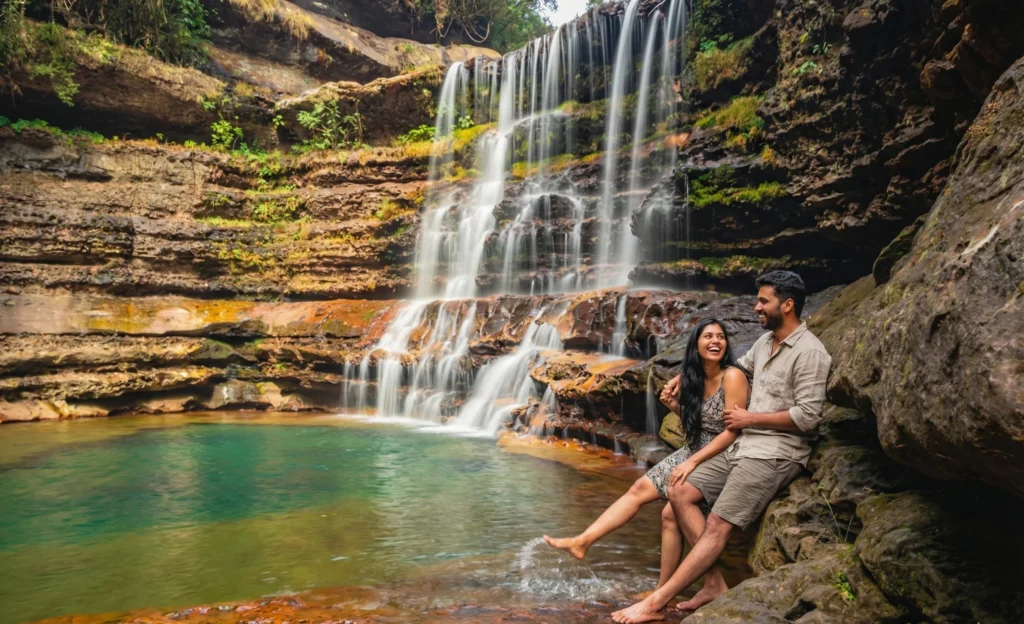
Let’s be brutally honest: Packing for Meghalaya is not like packing for Goa or Himachal Pradesh. This is a land of 100% humidity, vertical staircases, and weather that changes its mind every ten minutes. If you pack like a typical tourist, you’ll end up with wet jeans, dead electronics, and blisters that will end your trip by Day 2. At Tripsiana, we want you focused on the views, not your soggy socks. Here is the “No-Nonsense” checklist of what actually belongs in your suitcase. 1. The Footwear (The Most Important Choice) In Meghalaya, your shoes are your life. The “Goldcup” Secret: If you’re doing the monsoon treks, don’t buy expensive ₹10,000 waterproof boots that will eventually leak. Buy local “Goldcup” gumboots. They cost about ₹400–500 in Shillong markets, they are 100% waterproof, and they have the best grip on mossy limestone. For Dry Season: High-traction trekking shoes (like Decathlon’s MH series) are perfect. Never bring flat-soled sneakers or high heels—the hills will win. 2. The Tech & Power Strategy Meghalaya’s remote homestays are beautiful, but power fluctuations are real. The Power Bank: Carry a 20,000mAh bank. Between GPS, thousands of photos, and cold weather draining your battery, your phone won’t last until lunch. The Dry Bag (Non-Negotiable): Get a 10L waterproof dry bag for your camera and phone. When you’re behind a waterfall or caught in a sudden Sohra downpour, a plastic bag won’t cut it. Physical ID: Don’t just rely on your phone. Network is patchy in the canyons. Carry hard copies of your Aadhar/Voter ID. 3. The Layering System The temperature in Meghalaya is a rollercoaster. Base Layer: Quick-dry polyester t-shirts. They wick sweat during treks and dry in an hour. The “Warmth” Layer: A lightweight down jacket or a thick fleece. Even in summer, Shillong evenings can dip to 12°C. In winter, it hits 4°C. The “Shell”: A sturdy Poncho is better than a raincoat. It covers your backpack and allows for airflow so you don’t “steam” inside your own jacket while hiking. 4. The “Hills” Medical Kit Because “Hassle-Free” also means being prepared for your body’s reactions. Motion Sickness: The roads to Dawki have more twists than a Bollywood thriller. If you get car-sick, pack Avomine or Ondem. Leech Protection: If you’re trekking in the rain, carry a small pouch of salt or a tobacco-water spray. It’s the only way to get a leech to let go without a struggle. Knee Support: If you’re over 40 or have weak joints, a pair of crepe bandages or knee caps will save you during the 3,500-step ascent from Nongriat. 5. The Miscellaneous Essentials Microfiber Towel: They take up zero space and dry 5x faster than cotton—essential for high-humidity areas. Sunscreen & Lip Balm: The mountain sun is deceptively strong, even when it’s cloudy. Cash is King: While UPI works in Shillong, it fails in Shnongpdeng and remote Jaintia Hills. Carry at least ₹5,000 in cash for small entry fees and local snacks. The Tripsiana “Pack-Light” Policy We know that lugging a 20kg suitcase up a homestay’s stairs is a nightmare. Leave it in the Cab: Our private vehicles are secure. We encourage our guests to carry a small “Day Pack” for treks and leave their main heavy luggage safely in the car with our trusted drivers. The Rental Option: Don’t want to buy gear? We can help you rent trekking poles or buy those local gumboots the moment you land. Ready to zip up your bag? Now that you have the list, all you need is the destination. Let’s get you to the hills without the heavy lifting. [Book Your Fully Managed Meghalaya Experience]
The Rain Checklist: Why a Meghalaya Monsoon Trip is Actually Better (If You Pack Right)
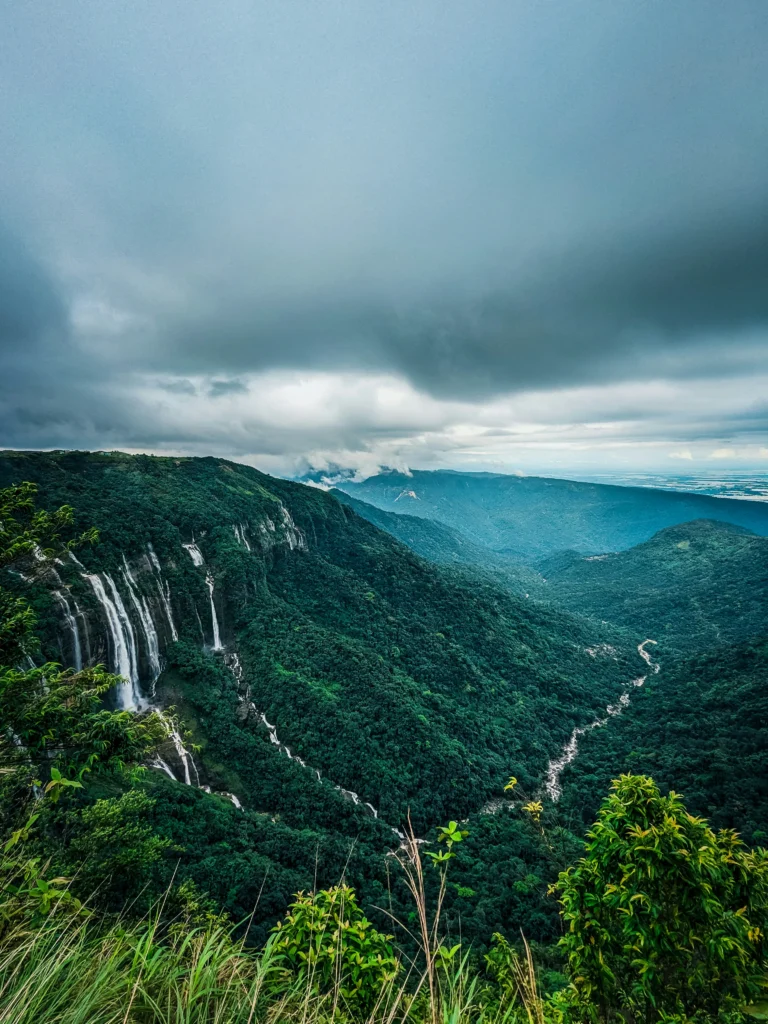
Let’s be brutally honest: If you hate getting wet, stay away from Meghalaya between June and September. During the monsoon, the “Abode of Clouds” doesn’t just have weather; it has an attitude. The rain is loud, relentless, and can turn a sunny afternoon into a white-out in seconds. So, why do the “pros” travel now? Because a dry Meghalaya is only half the story. In the monsoon, the hills turn a shade of neon green that doesn’t look real. The waterfalls—thousands of them—come to life, and the smell of the damp earth in the pine forests is better than any perfume. If you want to see the state in its most powerful form, you have to embrace the rain. But you have to do it smartly. Here is your survival checklist. Why the Monsoon is Secretly the “Prime” Season The Waterfalls are “Thumping”: Iconic falls like Nohkalikai and Wei Sawdong are mere trickles in the summer. In the monsoon, they are thunderous, mist-spraying giants. Zero Dust, Pure Air: The rain washes the atmosphere. Every photo you take will have a crispness and color saturation that you simply can’t get in the dry season. The “Cloud-Catcher” Effect: You aren’t just looking at clouds; you are inside them. Driving through the mist-covered roads of East Khasi Hills is a cinematic experience. The “Must-Pack” Monsoon List Do not rely on what you “usually” take for a rainy day in the city. The Meghalayan monsoon plays by different rules. 1. The “Goldcup” Boots (Or Serious Grip) Forget your expensive white sneakers. Within ten minutes on a forest trail, they will be brown. You need shoes with deep rubber lugs. Pro-Tip: Locals wear “Goldcup” gumboots—cheap, 100% waterproof, and high-grip. We can help you find a pair at a local market for less than ₹500. 2. A Poncho, Not Just an Umbrella An umbrella is useless when the wind starts whipping across the Laitlum Canyons. The Gear: Get a heavy-duty, knee-length trekking poncho. It covers you and your backpack, keeping your electronics dry while leaving your hands free for balance. 3. Quick-Dry Everything Jeans are your enemy in the monsoon. Once they get wet, they stay wet for three days due to the high humidity. The Gear: Pack polyester or nylon trekking pants and moisture-wicking t-shirts. They dry in hours, even in the shade. 4. The “Dry Bag” for Electronics Your “water-resistant” phone or camera isn’t built for 100% humidity. The Gear: A 10–20 liter Dry Bag (the kind used for kayaking) is a lifesaver. Throw your power bank, camera, and wallet in there before you head to a waterfall. The Brutal Reality Check While the monsoon is magical, it comes with “Hassles” that we at Tripsiana manage for you: Landslides: Roads can close unexpectedly.Our Solution: We keep our itineraries flexible and our drivers are locals who know the alternate backroads. Leeches: In the thick jungles of Nongriat, leeches come out to play in the rain.Our Solution: We provide “leech socks” and carry salt spray to keep them at bay. The “Grey-Out”: Sometimes the fog is so thick you can’t see five feet ahead.Our Solution: We don’t just sit in the car; we pivot to “indoor” experiences like exploring the Arwah Caves where the rain can’t reach you. Ready to dance in the rain? Most people wait for the sun. The smart ones head for the clouds. Let’s plan a monsoon escape that’s actually comfortable. [Explore our Monsoon-Special Meghalaya Packages]
How to Shoot the Clouds: A Mobile Photography Guide for Meghalaya’s Moody Weather
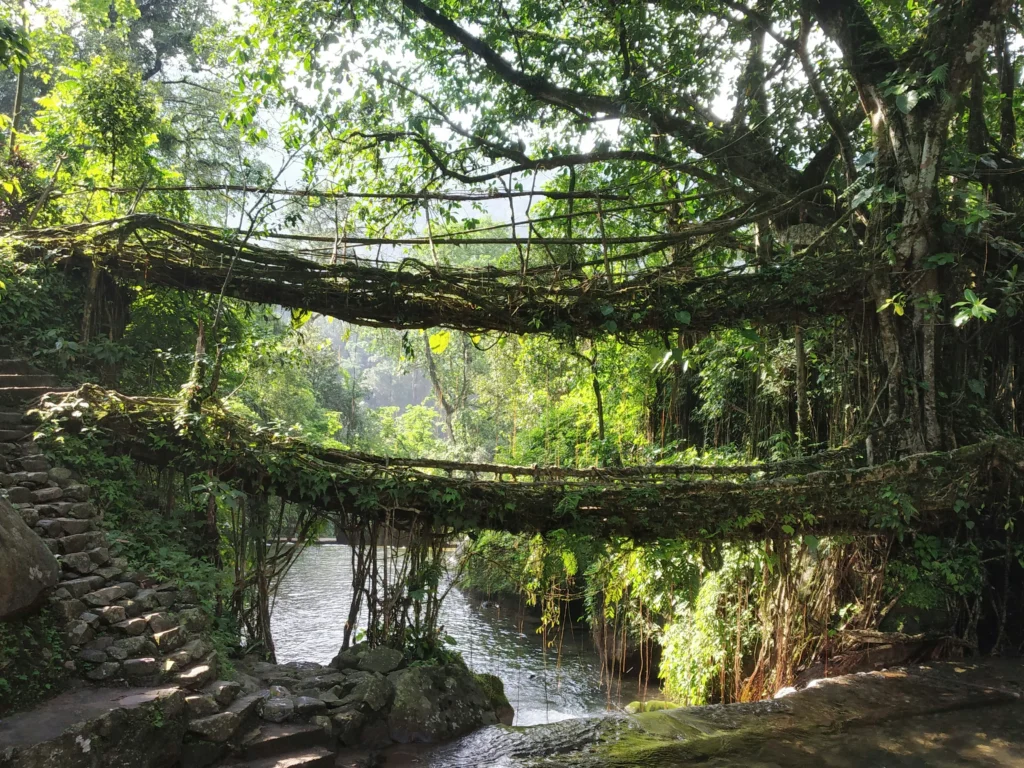
Let’s be real: Meghalaya is a photographer’s dream and a smartphone’s nightmare. One minute you have a stunning canyon view, and the next, a wall of white mist rolls in, turning your ₹80,000 iPhone or Samsung shot into a blurry, grey mess. Most people put their phones away when the clouds arrive. At Tripsiana, we think that’s a mistake. The “moody” weather is where the magic happens—you just need to know how to handle the light. Here is how to capture the soul of the hills using nothing but your mobile phone. 1. Conquer the “White Out” (Exposure Control) When the mist rolls in, your phone’s auto-focus gets confused. It tries to “brighten” the fog, which results in a grainy, washed-out photo. The Fix: Tap on the brightest part of the screen (the clouds) and slide the brightness (exposure) bar down. The Result: This deepens the shadows and gives the clouds texture and “weight” instead of looking like a flat white sheet. 2. Use “Burst Mode” for Moving Mist Clouds in Meghalaya move fast—sometimes at 20–30 km/h across the canyons. The Pro Move: Use Burst Mode (hold the shutter button) as the clouds pass over a peak or a waterfall. The Result: You’ll get 20 shots in 3 seconds. One of them will have that perfect “peak-a-boo” moment where the landscape is partially visible through the veil. 3. The “Portrait Mode” Hack for Raindrops Don’t just shoot the big views. The beauty of Meghalaya is in the details—moss, wet ferns, and raindrops on pine needles. The Fix: Switch to Portrait Mode and get close (2–3 feet) to a wet leaf or a flower. The Result: The “bokeh” (blurred background) will make the water droplets pop, creating a high-end, cinematic look even on a grey day. 4. Master the “Long Exposure” (No Tripod Needed) You want that silky, milky look for waterfalls like Wei Sawdong? You don’t need a professional ND filter. For iPhone Users: Turn on Live Photo. Take the shot (hold steady!), then open the photo in your gallery, swipe up (or tap the Live icon), and select “Long Exposure.” For Android Users: Use “Pro Mode” and set the Shutter Speed (S) to 0.5 or 1 second. You’ll need to rest your phone on a rock to keep it perfectly still! 5. Composition: Use a “Human Anchor” A photo of just clouds can look empty. To show the massive scale of the Khasi Hills, you need a sense of perspective. The Fix: Place a person in the bottom corner of the frame (use the “Rule of Thirds” grid). Have them look into the mist. The Result: It transforms a “weather photo” into a “story.” It captures the feeling of standing at the edge of the world. 2 Must-Have Apps for the “Meghalaya Look” If the raw photo looks a bit dull (which happens in flat, grey light), these two free apps are your best friends: Snapseed: Use the “Drama” or “Structure” tool to bring out the craggy details in the cliffs. Lightroom Mobile: Use the “Dehaze” slider. This is the “magic wand” for Meghalaya. It cuts through the fog and brings back the colors hidden behind the mist. Protecting Your Gear A “hassle-free” trip ends quickly if your phone dies from moisture. The ₹10 Solution: Carry a simple zip-lock bag. Even “water-resistant” phones can struggle with the 100% humidity of Sohra. Tripsiana Tip: Our drivers always carry micro-fiber cloths. Ask them for one to wipe your lens before every shot—mist accumulates on the glass faster than you think! Ready for your close-up? We don’t just take you to the spots; we make sure you come back with a gallery that makes your friends jealous. [Book a Photography-Focused Meghalaya Tour]
7 Secret Waterfalls in Meghalaya That the Big Tour Groups Don’t Know About
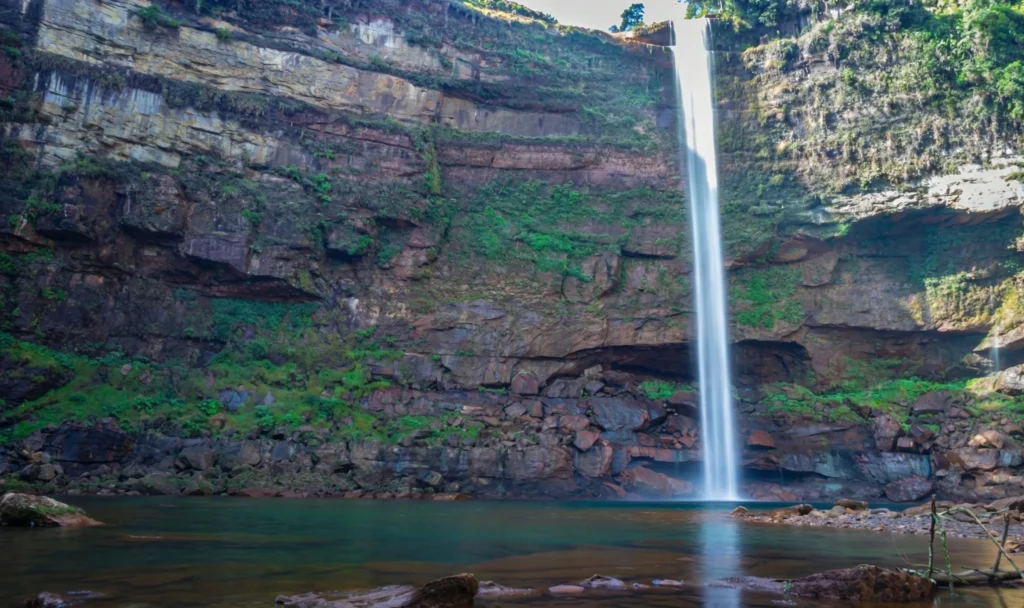
Let’s be real: Most tour packages to Meghalaya are like a broken record. They take you to Elephant Falls, Nohkalikai, and maybe the Seven Sisters falls. You’ll spend half your time standing in a queue for a photo and the other half dodging selfie sticks. If you want the “Abode of Clouds” to feel like yours alone, you have to go where the big buses can’t. At Tripsiana, we spend our weekends scouting the trails that don’t have signboards yet. Here are 7 “secret” waterfalls where you can actually hear the water, not the crowds. 1. Phe Phe Falls (Jaintia Hills) While everyone is busy at Krang Suri, Phe Phe remains a hidden gem. The Vibe: A two-tiered waterfall that looks like something out of Jurassic Park. The Effort: It requires a short boat crossing and a 20-minute trek. The “mass tour” groups find this too much effort—which is exactly why you should go. Pro-Tip: The light hits the pool perfectly around 11:00 AM for that turquoise glow. 2. Wei Sawdong (The Three-Tiered Wonder) Okay, this is becoming more popular on Instagram, but big groups still avoid it because of the “stairs.” The Vibe: Three perfectly circular turquoise pools stacked on top of each other. The Effort: You have to climb down makeshift bamboo ladders. It’s a bit of a scramble, but the view from the second tier is unrivaled. 3. Lyngksiar Falls Located near the more famous Janailar Falls, Lyngksiar is often overlooked. The Vibe: It’s not about height here; it’s about the wide, emerald pool and the lush jungle canopy that hangs over it. The Effort: A very easy walk, but it’s tucked away behind a local village road where tour buses don’t fit. 4. Kynrem Falls (The Roadside Giant) Most people see the top of Kynrem from a distance. Hardly anyone goes to the base. The Vibe: It’s the 7th highest waterfall in India, falling in three stages. The Effort: Located near Thangkharang Park, the best view is from the bridge at the bottom. It’s a long drive, so the “Standard 4-Day” tours usually cut it from the itinerary. 5. Prut Falls If you like the idea of standing behind a curtain of water, this is your spot. The Vibe: You can actually walk into a cave-like ledge behind the falling water. The Effort: It’s near Sohra but hidden behind a maze of village lanes. It’s a short, slippery descent. 6. Wahniangleng Falls This is for the true “Tripsiana” traveler who isn’t afraid of a little hiking. The Vibe: A pristine, wide waterfall that empties into a massive, swimmable pool. The Effort: A 45-minute trek from the nearest road. You won’t find a single shop or plastic bottle here. Just pure, unadulterated nature. 7. Langshiang Falls (West Khasi Hills) This is the “Final Boss” of Meghalaya waterfalls. The Vibe: Massive, powerful, and remote. It’s located near the Kynshi River and is one of the tallest in the state. The Effort: It’s a long drive into the West Khasi Hills, far away from the Shillong-Sohra tourist circuit. Only those with a dedicated private vehicle (like ours) usually make the trip. Why “Big Groups” Miss These Mass tour operators prioritize efficiency. They want “maximum spots in minimum time.” This means they only visit waterfalls with paved parking lots and toilets. At Tripsiana, we prioritize the experience. If that means driving an extra hour or hiking for 20 minutes to give you a waterfall all to yourself, we do it. Because that’s what a “hassle-free” escape actually looks like. Ready to go off the map? Stop following the crowd. Let’s build an itinerary that takes you to the places the brochures forgot. [Explore our Offbeat Meghalaya Itineraries]
The “Blue Water” Calendar: When Exactly to Visit Dawki for That ‘Floating Boat’ Shot
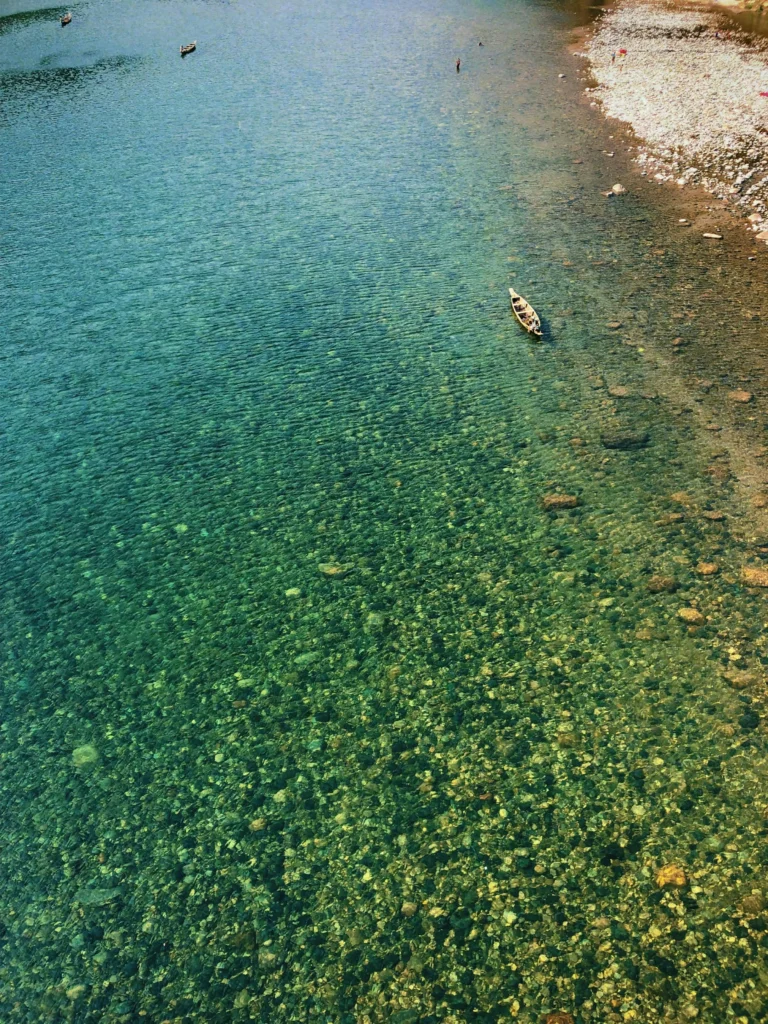
Let’s be real: The “Floating Boat” of Dawki is one of the most viral images of Indian tourism. You’ve seen it—a wooden boat suspended over water so clear it looks like it’s gliding on air. But here’s the brutal truth: That river doesn’t look like that year-round. If you show up in July, you won’t see a glass river; you’ll see a turbulent, muddy stream that looks more like chocolate milk than a postcard. At Tripsiana, we don’t want you to waste your leaves and your money on a “maybe.” Here is the definitive calendar for the Umngot River’s transparency. The Transparency Timeline November to February: The “Glass” Window (Best Time) This is the only time you are guaranteed that 100% “Floating Boat” effect. The Science: The monsoon has ended, the sediment has settled, and the river flow is at its calmest. The View: You can see the riverbed 15–20 feet below. Pro-Tip: Aim for 10:00 AM to 11:30 AM. This is when the sun is directly overhead, hitting the riverbed and creating that perfect shadow under the boat that makes it look like it’s hovering. March to May: The “Clear-ish” Window The Reality: The water is still beautiful and emerald green, but the clarity starts to drop. Pre-monsoon showers can occasionally stir up the silt. The Vibe: Great for swimming and kayaking, but the “floating air” illusion might be 70–80% instead of 100%. June to September: The “Muddy” Window (Avoid for Photos) The Reality: This is peak monsoon. Meghalaya is one of the wettest places on earth, and all that rain washes red soil and debris into the river. The View: The river becomes deep, fast-moving, and murky. Brutally Honest Advice: If your only goal is the “floating boat” shot, do not come now. You will be disappointed. Come for the waterfalls instead. October: The “Transition” Month The Reality: This is a gamble. If the rains stop early, the water clears up by late October. If it’s a late monsoon, it stays cloudy. 3 Secrets for the Perfect Dawki Shot 1 Skip the Dawki Bridge The main Dawki boating point is crowded and commercial. For the best photos, go 7 km further to Shnongpdeng. The water is just as clear, the crowds are thinner, and the suspension bridge there provides a better top-down angle for your drone or camera. 2 Polarize Your Lens If you’re using a DSLR or a high-end phone, use a CPL filter. It cuts the reflection of the sky on the water surface, allowing your camera to see straight through to the bottom. 3 Check Yesterday’s Weather This is a Tripsiana insider secret. If it rained heavily in the Jaintia Hills yesterday, the water will be slightly cloudy today—even if the sun is out. We keep our travelers updated on local rainfall so they can swap their itinerary days for the best visibility. Why “Hassle-Free” Matters at Dawki Dawki is a border town. It can get chaotic with trucks and day-trippers. The Tripsiana Edge: We arrange early-morning boat slots before the busloads of tourists arrive from Shillong. Stay Local: We recommend staying in a riverside tent at Shnongpdeng so you wake up right on the water, ready for that 8:00 AM “first light” shot. Chasing the perfect shot? Don’t leave it to luck. Let’s time your trip perfectly so your photos look exactly like the ones on your mood board. [Check our Winter-Special Meghalaya Itineraries]
Café Hopping in Shillong: Where to Find the Best Coffee and Live Music
After a day spent chasing waterfalls in Sohra or navigating the mist of Laitlum, you don’t just want a bed. You want a vibe. Shillong isn’t like other hill stations that go to sleep at 7:00 PM. It’s a city with a rhythm—literally. As the “Rock Capital of India,” the evenings here are fueled by high-altitude caffeine and local bands that would put mainstream indie acts to shame. But if you walk into the wrong place, you’ll end up with overpriced instant coffee and a loud DJ. To help you find the soul of the city, here is your curated guide to the best café and music spots in Shillong. 1. Dylan’s Café: The Cultural Icon If you visit Shillong and don’t go to Dylan’s, did you even visit? The Vibe: A tribute to Bob Dylan that feels like a cozy living room from the 60s. It’s filled with records, books, and a dedicated fan base. The Coffee: Their “Highway 61 Brew” is a local favorite. The Music: Friday nights are legendary. You’ll often find local icons like Lou Majaw (India’s own Bob Dylan) or young acoustic artists playing folk and rock classics. Location: Dhankheti. 2. Café Shillong: The Local Heartbeat Located in the bustling student hub of Laitumkhrah, this is where the city’s creative crowd hangs out. The Vibe: Warm, wooden interiors and a very intimate setting. The Coffee: Known for its strong, authentic brews and a menu that balances Continental with local snacks. The Music: They host live acoustic sets, especially on Sundays. It’s the perfect place to unwind with a book while someone plays soulful jazz or blues in the corner. Location: Laitumkhrah. 3. The Evening Club: For the Music Purists This isn’t just a café; it’s a time machine. Established in 1920, it’s one of the oldest clubs in the city. The Vibe: Dark wood, low lights, and a stage that has seen decades of musical history. It feels like a secret jazz club. The Experience: While they serve food and drinks, the focus is 100% on the acoustics. The Music: This is where you go for full bands—everything from Funk and Jazz to Hip-Hop and Classic Rock. Check their schedule for Friday and Saturday night gigs. Location: Police Bazar. 4. ML 05 Café: The Biker’s Retreat Located on the outskirts of the city, this is for the traveler who wants a “pit-stop” feel. The Vibe: Automotive-themed (ML 05 is the registration code for Shillong). It’s surrounded by pine trees and offers a great outdoor view. The Coffee: Great cappuccinos and thick hot chocolate. The Music: While they don’t have daily live gigs, it’s a popular hangout for travelers and bikers. The background playlist is almost always top-tier rock and blues. Location: Upper Shillong (Sohra Road). 5. Cloud 9: The Rooftop View If you want music with a view of the city lights, head to the top of Hotel Centre Point. The Vibe: Sophisticated and classy. The Experience: It’s a resto-lounge, so it’s great for a late-night dinner accompanied by music. The Music: They lean more towards DJs and upbeat live bands on weekends. It’s the place to go if you want to end your trip on a “high” note (pun intended). Location: Police Bazar. Pro-Tips for the Shillong Nightlife Check the “Gig Calendar”: Most live music happens on Fridays and Saturdays. If you’re a music lover, time your Shillong stay for the weekend. The 9:00 PM Rule: While some spots stay open late, many cafés start wrapping up by 9:30 PM. Don’t wait until 10:00 PM to start your “hop.” Dress for the Chill: Even if it was sunny in the morning, Shillong evenings dip to 5–10°C quickly. A light jacket is your best friend. Want a “Hassle-Free” Night Out? At Tripsiana, we don’t just book your hotels; we know the city’s pulse. We can tell you which band is playing where and book you a table at the most popular spots so you don’t have to wait in line. [Book a Customizable Shillong & Beyond Package]