Beyond the Plate: 5 Khasi Delicacies That Will Change Your Mind About North Eastern Food
If we’re being real, most travelers treat the food in Meghalaya as a “challenge” to be tolerated rather than a highlight to be enjoyed. They pack their bags with instant noodles and search for the nearest North Indian dhaba the moment they land in Shillong. That approach is the fastest way to miss the heart of the Khasi Hills. Khasi cuisine isn’t just about survival; it’s a masterclass in organic, slow-cooked, and zero-waste dining. It’s light, it’s rarely oily, and it relies on the punch of fresh ginger and black pepper rather than heavy masalas. Here are five local delicacies that will make you rethink everything you thought you knew about North Eastern food. 1. Jadoh: The Soul of the Hills Think of Jadoh as the Khasi answer to Biryani, but stripped of the heavy grease. What it is: Short-grain red rice (locally grown) cooked with minced pork, black pepper, and ginger. The Experience: It’s earthy, smoky, and incredibly comforting after a long day in the rain. The Insider Tip: Many local stalls serve a version cooked in chicken stock for those who want a lighter flavor. It’s the ultimate “power meal” for trekkers. 2. Doh-Khlieh: The Texture Game-Changer This is arguably the most famous pork dish in the state, and for good reason. What it is: A cold salad made of boiled pork chunks, chopped onions, and a massive hit of local green chilies and ginger. The Experience: It’s zingy and sharp. Unlike the heavy curries of the plains, Doh-Khlieh feels incredibly fresh. The Twist: Some traditional variations include pig brain for a creamier texture. If that’s not your speed, simply ask for the “regular” version—it’s just as iconic. 3. Tungrymbai: The Umami Secret Let’s address the elephant in the room: Tungrymbai has a very strong, pungent aroma. It’s fermented, and like blue cheese or durian, it’s an acquired taste. What it is: Fermented soybeans sautéed with onions, chilies, and black sesame. The Experience: It’s a savory explosion. Once you get past the initial scent, it’s the richest, most “umami” flavor you’ll find in the North East. How to eat it: Don’t eat it alone. Mix a small amount into a large bowl of plain rice to balance the intensity. 4. Pukhlein: The Sweetest Simplicity If you have a sweet tooth, this is your new obsession. What it is: A deep-fried snack made from just two ingredients: rice flour and local jaggery. The Experience: It’s crispy on the edges and soft in the middle. The Pairing: There is no better way to spend an afternoon than sitting in a mist-covered village with a plate of hot Pukhlein and a steaming cup of Sha Saw (Red Tea). 5. Soh-Phlang with Nei-Iong: The “Clean” Snack This is a delicacy you won’t find in any fancy restaurant; you find it on the streets. What it is: Soh-Phlang is a crunchy local tuber (like a cross between a potato and a water chestnut), usually served with a dip made of ground Nei-Iong (black sesame). The Experience: It’s the ultimate healthy snack—nutty, crunchy, and slightly sweet. It’s the perfect companion for a long road trip through the Jaintia Hills. The Tripsiana Food Philosophy We don’t believe in “tourist menus.” A truly hassle-free trip means knowing where the food is clean, authentic, and safe for your stomach. When you travel with Tripsiana, we don’t just point you to a restaurant; we introduce you to the cooks. We know which stalls in the Shillong night market use the freshest ingredients and which homestays in Sohra make the best home-cooked Jadoh. [Explore our Culture & Food-focused Meghalaya Itineraries]
The Vegetarian’s Survival Map: Finding the Best Dal-Chawal in the Land of Jadoh
Let’s be brutally honest: Meghalaya is a meat-lover’s paradise. From the iconic Jadoh (red rice cooked with pork) to Doh-Khlieh (pork salad), the local Khasi and Jaintia cuisines are famous for their unique use of local meats. If you are a strict vegetarian, looking at a local menu in a remote village can be… intimidating. You might find yourself wondering: “Am I going to survive on Maggi and biscuits for seven days?” The answer is a resounding No. At Tripsiana, we’ve mapped out every “Veg-friendly” corner of the state. You don’t have to compromise your diet to see the clouds. Here is your survival map for finding the best Dal-Chawal and beyond. 1. Shillong: The Vegetarian Safety Net Shillong is a cosmopolitan hub where you can find almost anything. If you’re craving a “Home-style” North Indian Thali or even South Indian Tiffin, this is your base camp. The Go-To Spot: Police Bazaar. Look for iconic spots like Delhi Mistan Bhandar for legendary Jalebis and Puri-Sabzi, or Madras Café for a reliable Dosa. The “Pure Veg” Choice: There are several Marwari-run bhojanalayas near the main market that serve unlimited piping hot Thalis that taste just like home. 2. Sohra (Cherrapunji): The Tourist Advantage Because Sohra receives the highest footfall of Indian tourists, the local restaurants have adapted. The “Yellow Dal” Rule: Almost every resort and “Dhaba” in Sohra now offers a “Standard Veg Thali.” It usually consists of Arhar Dal, a seasonal Sabzi (often local organic potatoes), rice, and pickle. Tripsiana Tip: If you’re staying in a homestay, tell your host “Shapaid” (Pure Veg). Khasi people are incredibly hospitable and will often cook a delicious meal of Phan-Siej (boiled potatoes with local herbs) and dal just for you. 3. The Highway Heroes The drive from Guwahati to Shillong is lined with “Line Hotels.” Jiva Sizzlers / Jiva Veg: If you want a “clean, hassle-free” meal with sparkling washrooms (a Tripsiana priority!), the Jiva chain on the Guwahati-Shillong highway is the gold standard for vegetarians. Their Paneer Butter Masala is surprisingly good for being in the middle of the Khasi Hills. 4. The “Remote Village” Strategy (Dawki & Mawlynnong) When you get to the border areas, options shrink. Mawlynnong: Being the “Cleanest Village in Asia,” they have a very organized community kitchen system. You will almost always find a Veg Thali with organic vegetables grown in the village itself. It’s simple, healthy, and 100% vegetarian-friendly. Dawki/Shnongpdeng: This is the toughest spot. We recommend sticking to basic Dal-Chawal or carrying some ready-to-eat packets just in case. 3 Local Veg Items You MUST Try Don’t just stick to Paneer! Meghalaya has incredible organic produce: Soh-Phlang: A crunchy, watery tuber eaten with a pinch of salt and chili. It’s like a local fruit-turnip hybrid. Tungrymbai (The Veg Version): Fermented soybean paste. Warning: It has a very strong pungent smell, but for the adventurous vegetarian, it’s a fermented superfood. Local Pineapples: You haven’t tasted a pineapple until you’ve had a Meghalayan one. They are the sweetest in India, zero acidity. How Tripsiana Saves Your Stomach We know that a “Hassle-Free” trip is impossible if you’re hungry or worried about cross-contamination. Pre-Vetted Stays: We only partner with homestays and hotels that understand “No Onion, No Garlic” or “Strict Veg” requirements. The Food Map: Every Tripsiana traveler gets a curated list of “Safe Veg Spots” marked on their digital itinerary so they never have to hunt for food when they’re tired. Hungry for an adventure? You bring the appetite; we’ll find the Dal. Let’s plan a Meghalaya trip where the food is as good as the views. [Browse our Foodie-Friendly Meghalaya Packages]
From Couch to Canyon: A Beginner’s Guide to Meghalaya’s Fitness Levels
You’ve seen the reels of trekkers crossing root bridges and swimmers diving into turquoise lagoons. It looks epic. But then you look at your desk chair and wonder: “Am I fit enough for Meghalaya, or will I spend the whole trip at the hotel with a heating pad?” The truth? Meghalaya is a giant staircase. But you don’t need to be a marathon runner to enjoy it. You just need to know which “level” of adventure you’re signing up for. At Tripsiana, we believe in “No Surprises” travel. Here is our honest breakdown of the fitness levels required for the Abode of Clouds. Level 1: The “Scenic Sightseer” Who is this for? Those who prefer short walks, photo stops, and cozy cafes. The Physical Toll: Minimal. Mostly walking from the parking lot to the viewpoint (100–500 meters). Key Locations: Laitlum Canyons: Park, walk 20 steps, and see the world drop away.Umiam Lake: Boat rides and lakeside strolls.Shillong Peak: A gentle walk for a 360-degree view of the city.Don Bosco Museum: Multiple floors, but there’s an elevator! Level 2: The “Active Explorer” Who is this for? People who don’t mind a bit of sweat in exchange for a hidden gem. You should be able to walk 2–3 km on uneven ground. The Physical Toll: Moderate. Expect some stairs and slippery slopes. Your calves will feel it the next morning. Key Locations: Mawsmai Cave: Requires some crouching and squeezing through limestone gaps.Elephant Falls: A series of well-paved steps. Easy going down, a slight huff-and-puff coming back up.Krang Suri Falls: A 15–20 minute descent on a stone path. The climb back up is the “real” workout. Level 3: The “Canyon Conqueror” Who is this for? The “Couch to Canyon” challengers. Those who want the legendary views and are willing to suffer a little for them. The Physical Toll: High. We’re talking 3,000+ steps and vertical climbs. Key Locations: Double Decker Living Root Bridge (Nongriat): The final boss of Meghalaya. It’s a 1.5-hour descent and a 2.5-hour climb.Wei Sawdong: The “Three-Tier” falls. The path is nearly vertical and made of makeshift bamboo/wood ladders. It’s short, but intense.Phe Phe Falls: Requires a river crossing and a trek through open fields and steep descents. How to Prepare (The 2-Week “Cheat Code”) If you’ve booked a trip and realize you haven’t seen a gym in six months, don’t panic. Do these three things two weeks before your flight: Stair Climbing: Stop taking the lift. Find a flight of stairs and do 10 minutes a day. Your quads will thank you when you’re in Sohra. Break in Your Shoes: Never wear brand-new shoes to Meghalaya. Wear your trekking boots/sneakers for your daily chores to avoid blisters on Day 1. Hydration Habits: Start drinking 3 liters of water a day now. The humidity in the canyons is high; your body needs to be used to processing fluids efficiently. The Tripsiana Strategy: The “Hybrid” Itinerary The biggest mistake people make is booking a “Trekking Tour” and burning out by Day 3. We design Alternating Days. If Day 2 is a “Level 3” trek to Nongriat, Day 3 will be a “Level 1” day at the Mawlynnong village or a slow drive to Dawki. We give your muscles time to recover so you don’t spend the second half of your trip in pain. Ready to leave the couch behind? Whether you want a “Level 1” luxury retreat or a “Level 3” canyon adventure, we customize the pace to your heartbeat. [Check out our customizable itineraries – from Easy to Extreme]
The Nongriat Survival Guide: How to Conquer the 3,500 Steps (And Love It)
So, you’ve seen the photos of the Double Decker Living Root Bridge and decided you have to see it. Then you heard the number: 3,500. That is the number of steep, stone steps standing between you and one of the most incredible man-made natural wonders on the planet. Most travel sites tell you it’s “a bit of a hike.” At Tripsiana, we don’t do fluff. It’s a grueling descent and a heart-pounding ascent. But with the right strategy, it’s the highlight of a lifetime. Here is everything you actually need to know to survive the Nongriat trek without ruining your knees. 1. The Numbers: What are you up against? Before you lace up your shoes, let’s look at the physics of the trek: 2. When to Start (The Golden Rule) Start at the crack of dawn. If you start from Tyrna (the base village) at 7:00 AM, you’ll reach the bridge before the “day-tripper” crowds arrive from Shillong. More importantly, you’ll climb back up before the afternoon sun turns the valley into a humid oven. 3. Gear: Don’t Skimp on the Basics If you try this in flat-soled sneakers or (heaven forbid) flip-flops, you will regret it by step 500. 4. Stay Hydrated, but Stay Light There are small stalls selling water, Maggi, and ORS along the way. Don’t carry 5 liters of water; carry one bottle and refill/buy as you go. Pro-Tip: Sip water constantly. Don’t wait until you’re parched. If you feel a cramp coming on, grab a pack of electoral/ORS at the next stall. 5. Should You Stay Overnight? Yes. While many people do this as a day trip, staying one night in Nongriat Village is the “Hassle-Free” way to do it. It allows you to: 6. The “Secret” Recovery Hack When you reach the Double Decker bridge, don’t just take a photo. Head to the natural pools nearby. The water is ice-cold and filled with “doctor fish” that will nibble at your feet. The cold water acts as cryotherapy, reducing the inflammation in your muscles for the climb back. 7. The Return: The Mental Game The climb back is 100% mental. Don’t look at the top. Look at your feet. Take 50 steps, pause for 10 seconds, and repeat. Is the Nongriat Trek right for you? If you have severe knee issues or respiratory problems, this trek might be one to sit out. But for everyone else, the burn in your legs is a small price to pay for the magic of the jungle. Planning a trip to Meghalaya? At Tripsiana, we don’t just give you a map; we handle the logistics, book the best local guides, and ensure your itinerary has enough “buffer time” to recover from the big treks. [Explore our customizable Meghalaya Packages here]
Meghalaya for Seniors & Kids: Which Treks to Skip and Which Views to Keep
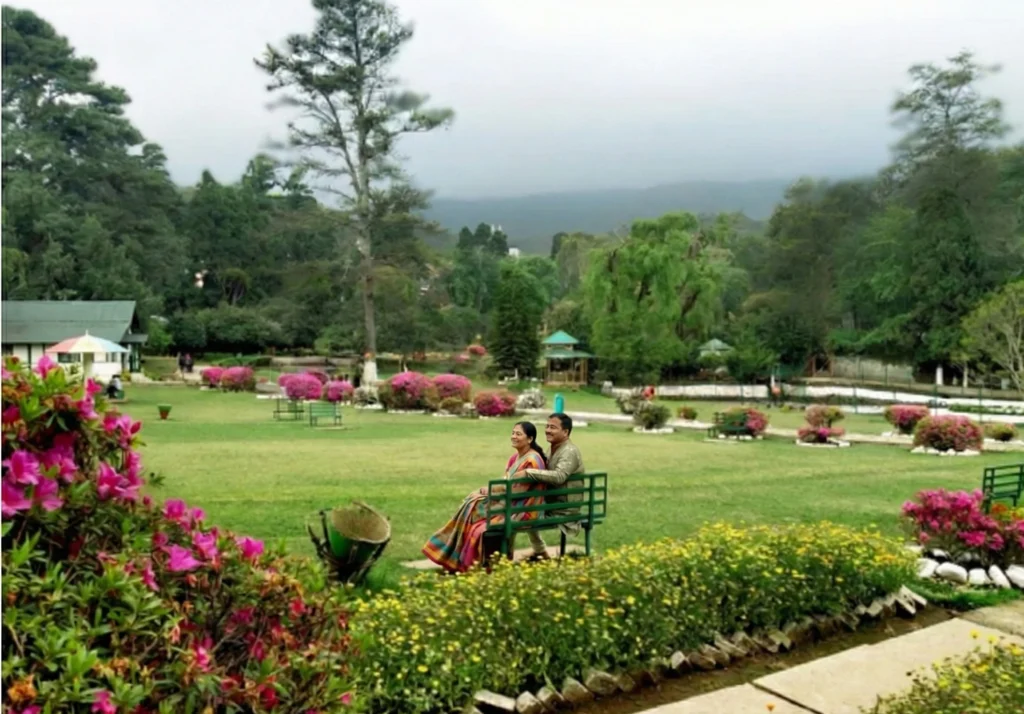
Meghalaya is often marketed as an “adventure junkie’s paradise.” You’ll see photos of people dangling off bamboo bridges or trekking for hours to reach hidden falls. If you are traveling with kids under 10 or parents over 60, those photos can be intimidating. Does the “Abode of Clouds” have room for slow travelers? Absolutely. At Tripsiana, we specialize in making the North East accessible. You don’t need to climb 3,000 steps to see a Living Root Bridge, and you don’t need to be a mountaineer to see the canyons. Here is your filter for a family-friendly Meghalaya. The “Hard Skips” (Treks to Avoid) If you are traveling with seniors with knee issues or toddlers who need to be carried, save these for another lifetime. 1. The Double Decker Living Root Bridge (Nongriat) The Reality: 3,500 steep, uneven stone steps.Why skip? It’s a grueling 4–6 hour round trip. For seniors, the descent is a “knee-killer.” For parents, carrying a child back up 900 meters of elevation is a recipe for a meltdown. 2. Mawryngkhang Bamboo Trek (Wahkhen) The Reality: Walking on narrow bamboo structures clinging to a cliff side.Why skip? It requires high balance and a total lack of vertigo. It is widely considered one of India’s “scariest” treks—not exactly a relaxing family outing. 3. Rainbow Falls The Reality: An additional 90-minute steep hike after you’ve already reached the Double Decker bridge.Why skip? If you’ve skipped Nongriat, you’ve automatically skipped this. The “Must-Keeps” (Accessible & Iconic) These spots offer the “wow” factor with minimal physical strain. Most are less than a 15-minute gentle walk from the parking lot. 1. The “Easy” Living Root Bridge (Riwai Village) The Alternative: Located near Mawlynnong, this is a massive, stunning single-decker bridge.The Effort: A flat, 10-minute walk on a paved path. Even seniors with walking sticks can manage this comfortably. 2. Laitlum Canyons The View: Dramatic, sweeping valleys that look like the Scottish Highlands.The Effort: You can drive right up to the viewpoint. You can sit on the grass, enjoy a picnic, and see the “end of the world” without taking more than 50 steps from your car. 3. Mawsmai & Arwah Caves The View: Ancient limestone formations and fossils.The Effort: Mawsmai is fully lit and has a clear (though narrow) path. Arwah has a wide, flat wooden walkway leading to the cave entrance that is perfect for strollers or slow-walking elders. 4. Krang Suri Falls The View: The most famous “blue” water in India.The Effort: While there is a walk down, the path is well-maintained with railings. It takes about 15 minutes. Tripsiana Tip: We can arrange for your vehicle to drop you as close as possible to minimize the walking distance. 3 Pro-Tips for Family Travel in Meghalaya The “Base” Strategy: Instead of changing hotels every night, stay 3 nights in Shillong and 2 nights in Sohra. This reduces the “packing-unpacking” hassle for kids and seniors. Private SUVs only: Don’t even look at hatchbacks. The roads are winding. A Toyota Innova or Scorpio provides the suspension and space needed to prevent motion sickness in children. The 10:00 AM Rule: Don’t rush out at 6:00 AM. Meghalaya is misty in the mornings. Let the family sleep in, have a warm breakfast, and start when the sun has cleared the fog for better visibility and safety. Planning a multi-generational trip? We get it—your dad wants peace, your kid wants water, and you want photos. Tripsiana builds itineraries that balance adventure with “leg-room.” [View our Senior & Kid Friendly Meghalaya Itinerary]