How to Shoot the Clouds: A Mobile Photography Guide for Meghalaya’s Moody Weather
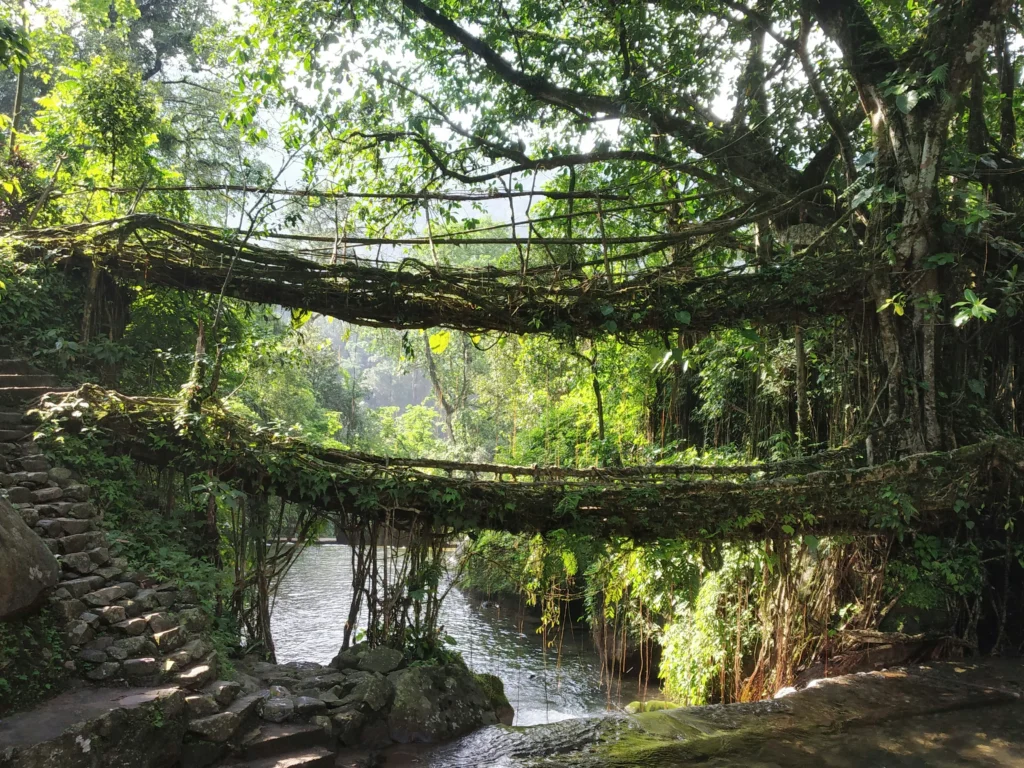
Let’s be real: Meghalaya is a photographer’s dream and a smartphone’s nightmare. One minute you have a stunning canyon view, and the next, a wall of white mist rolls in, turning your ₹80,000 iPhone or Samsung shot into a blurry, grey mess. Most people put their phones away when the clouds arrive. At Tripsiana, we think that’s a mistake. The “moody” weather is where the magic happens—you just need to know how to handle the light. Here is how to capture the soul of the hills using nothing but your mobile phone. 1. Conquer the “White Out” (Exposure Control) When the mist rolls in, your phone’s auto-focus gets confused. It tries to “brighten” the fog, which results in a grainy, washed-out photo. The Fix: Tap on the brightest part of the screen (the clouds) and slide the brightness (exposure) bar down. The Result: This deepens the shadows and gives the clouds texture and “weight” instead of looking like a flat white sheet. 2. Use “Burst Mode” for Moving Mist Clouds in Meghalaya move fast—sometimes at 20–30 km/h across the canyons. The Pro Move: Use Burst Mode (hold the shutter button) as the clouds pass over a peak or a waterfall. The Result: You’ll get 20 shots in 3 seconds. One of them will have that perfect “peak-a-boo” moment where the landscape is partially visible through the veil. 3. The “Portrait Mode” Hack for Raindrops Don’t just shoot the big views. The beauty of Meghalaya is in the details—moss, wet ferns, and raindrops on pine needles. The Fix: Switch to Portrait Mode and get close (2–3 feet) to a wet leaf or a flower. The Result: The “bokeh” (blurred background) will make the water droplets pop, creating a high-end, cinematic look even on a grey day. 4. Master the “Long Exposure” (No Tripod Needed) You want that silky, milky look for waterfalls like Wei Sawdong? You don’t need a professional ND filter. For iPhone Users: Turn on Live Photo. Take the shot (hold steady!), then open the photo in your gallery, swipe up (or tap the Live icon), and select “Long Exposure.” For Android Users: Use “Pro Mode” and set the Shutter Speed (S) to 0.5 or 1 second. You’ll need to rest your phone on a rock to keep it perfectly still! 5. Composition: Use a “Human Anchor” A photo of just clouds can look empty. To show the massive scale of the Khasi Hills, you need a sense of perspective. The Fix: Place a person in the bottom corner of the frame (use the “Rule of Thirds” grid). Have them look into the mist. The Result: It transforms a “weather photo” into a “story.” It captures the feeling of standing at the edge of the world. 2 Must-Have Apps for the “Meghalaya Look” If the raw photo looks a bit dull (which happens in flat, grey light), these two free apps are your best friends: Snapseed: Use the “Drama” or “Structure” tool to bring out the craggy details in the cliffs. Lightroom Mobile: Use the “Dehaze” slider. This is the “magic wand” for Meghalaya. It cuts through the fog and brings back the colors hidden behind the mist. Protecting Your Gear A “hassle-free” trip ends quickly if your phone dies from moisture. The ₹10 Solution: Carry a simple zip-lock bag. Even “water-resistant” phones can struggle with the 100% humidity of Sohra. Tripsiana Tip: Our drivers always carry micro-fiber cloths. Ask them for one to wipe your lens before every shot—mist accumulates on the glass faster than you think! Ready for your close-up? We don’t just take you to the spots; we make sure you come back with a gallery that makes your friends jealous. [Book a Photography-Focused Meghalaya Tour]
7 Secret Waterfalls in Meghalaya That the Big Tour Groups Don’t Know About
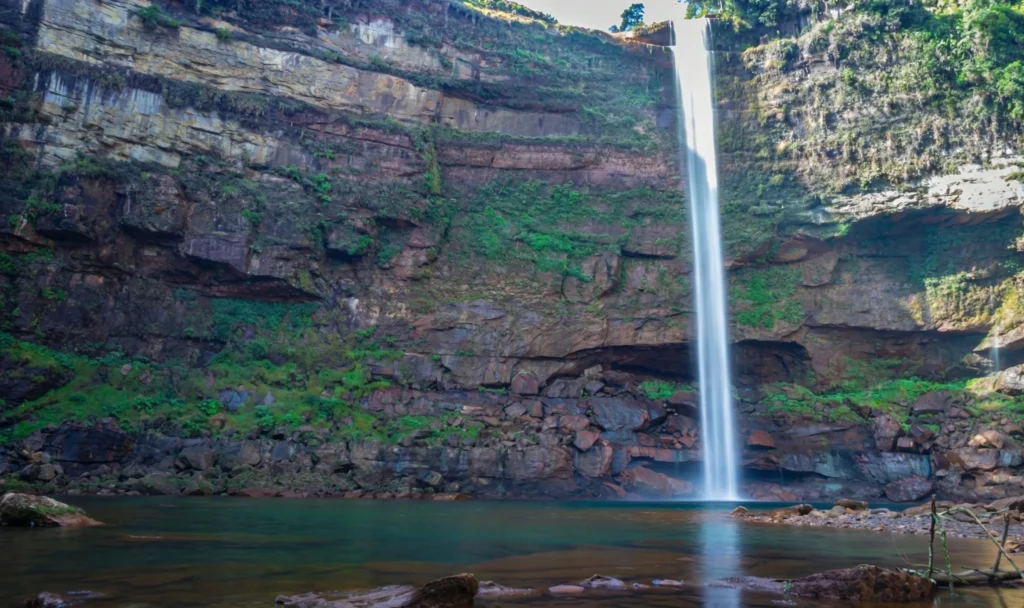
Let’s be real: Most tour packages to Meghalaya are like a broken record. They take you to Elephant Falls, Nohkalikai, and maybe the Seven Sisters falls. You’ll spend half your time standing in a queue for a photo and the other half dodging selfie sticks. If you want the “Abode of Clouds” to feel like yours alone, you have to go where the big buses can’t. At Tripsiana, we spend our weekends scouting the trails that don’t have signboards yet. Here are 7 “secret” waterfalls where you can actually hear the water, not the crowds. 1. Phe Phe Falls (Jaintia Hills) While everyone is busy at Krang Suri, Phe Phe remains a hidden gem. The Vibe: A two-tiered waterfall that looks like something out of Jurassic Park. The Effort: It requires a short boat crossing and a 20-minute trek. The “mass tour” groups find this too much effort—which is exactly why you should go. Pro-Tip: The light hits the pool perfectly around 11:00 AM for that turquoise glow. 2. Wei Sawdong (The Three-Tiered Wonder) Okay, this is becoming more popular on Instagram, but big groups still avoid it because of the “stairs.” The Vibe: Three perfectly circular turquoise pools stacked on top of each other. The Effort: You have to climb down makeshift bamboo ladders. It’s a bit of a scramble, but the view from the second tier is unrivaled. 3. Lyngksiar Falls Located near the more famous Janailar Falls, Lyngksiar is often overlooked. The Vibe: It’s not about height here; it’s about the wide, emerald pool and the lush jungle canopy that hangs over it. The Effort: A very easy walk, but it’s tucked away behind a local village road where tour buses don’t fit. 4. Kynrem Falls (The Roadside Giant) Most people see the top of Kynrem from a distance. Hardly anyone goes to the base. The Vibe: It’s the 7th highest waterfall in India, falling in three stages. The Effort: Located near Thangkharang Park, the best view is from the bridge at the bottom. It’s a long drive, so the “Standard 4-Day” tours usually cut it from the itinerary. 5. Prut Falls If you like the idea of standing behind a curtain of water, this is your spot. The Vibe: You can actually walk into a cave-like ledge behind the falling water. The Effort: It’s near Sohra but hidden behind a maze of village lanes. It’s a short, slippery descent. 6. Wahniangleng Falls This is for the true “Tripsiana” traveler who isn’t afraid of a little hiking. The Vibe: A pristine, wide waterfall that empties into a massive, swimmable pool. The Effort: A 45-minute trek from the nearest road. You won’t find a single shop or plastic bottle here. Just pure, unadulterated nature. 7. Langshiang Falls (West Khasi Hills) This is the “Final Boss” of Meghalaya waterfalls. The Vibe: Massive, powerful, and remote. It’s located near the Kynshi River and is one of the tallest in the state. The Effort: It’s a long drive into the West Khasi Hills, far away from the Shillong-Sohra tourist circuit. Only those with a dedicated private vehicle (like ours) usually make the trip. Why “Big Groups” Miss These Mass tour operators prioritize efficiency. They want “maximum spots in minimum time.” This means they only visit waterfalls with paved parking lots and toilets. At Tripsiana, we prioritize the experience. If that means driving an extra hour or hiking for 20 minutes to give you a waterfall all to yourself, we do it. Because that’s what a “hassle-free” escape actually looks like. Ready to go off the map? Stop following the crowd. Let’s build an itinerary that takes you to the places the brochures forgot. [Explore our Offbeat Meghalaya Itineraries]
The “Blue Water” Calendar: When Exactly to Visit Dawki for That ‘Floating Boat’ Shot
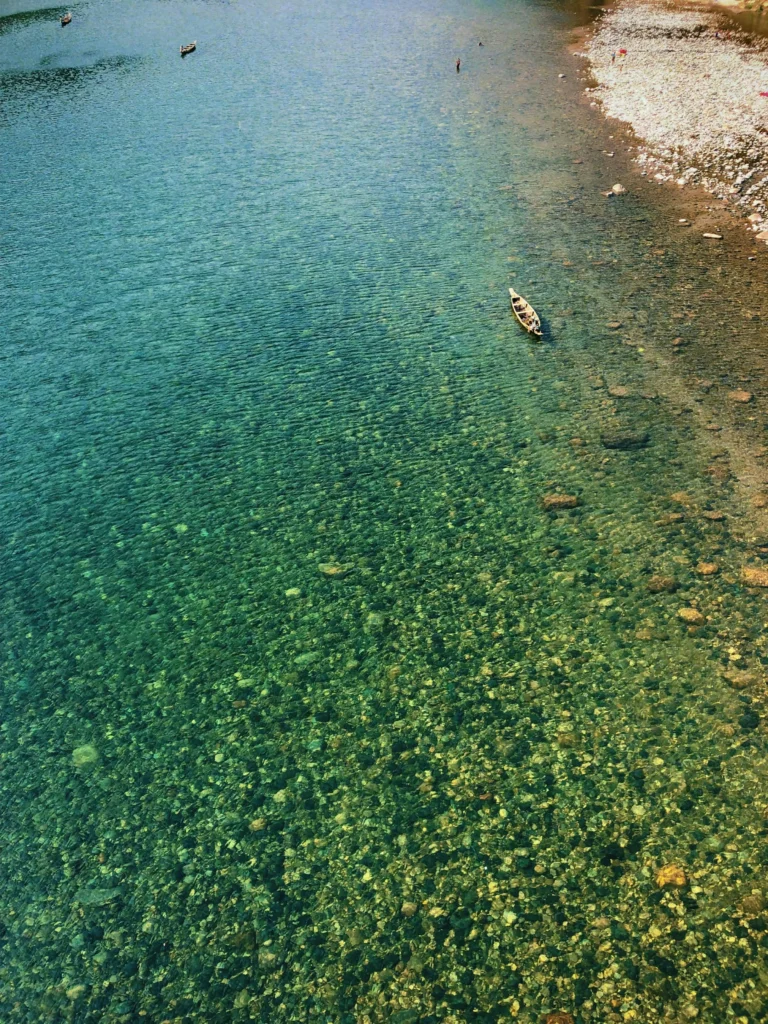
Let’s be real: The “Floating Boat” of Dawki is one of the most viral images of Indian tourism. You’ve seen it—a wooden boat suspended over water so clear it looks like it’s gliding on air. But here’s the brutal truth: That river doesn’t look like that year-round. If you show up in July, you won’t see a glass river; you’ll see a turbulent, muddy stream that looks more like chocolate milk than a postcard. At Tripsiana, we don’t want you to waste your leaves and your money on a “maybe.” Here is the definitive calendar for the Umngot River’s transparency. The Transparency Timeline November to February: The “Glass” Window (Best Time) This is the only time you are guaranteed that 100% “Floating Boat” effect. The Science: The monsoon has ended, the sediment has settled, and the river flow is at its calmest. The View: You can see the riverbed 15–20 feet below. Pro-Tip: Aim for 10:00 AM to 11:30 AM. This is when the sun is directly overhead, hitting the riverbed and creating that perfect shadow under the boat that makes it look like it’s hovering. March to May: The “Clear-ish” Window The Reality: The water is still beautiful and emerald green, but the clarity starts to drop. Pre-monsoon showers can occasionally stir up the silt. The Vibe: Great for swimming and kayaking, but the “floating air” illusion might be 70–80% instead of 100%. June to September: The “Muddy” Window (Avoid for Photos) The Reality: This is peak monsoon. Meghalaya is one of the wettest places on earth, and all that rain washes red soil and debris into the river. The View: The river becomes deep, fast-moving, and murky. Brutally Honest Advice: If your only goal is the “floating boat” shot, do not come now. You will be disappointed. Come for the waterfalls instead. October: The “Transition” Month The Reality: This is a gamble. If the rains stop early, the water clears up by late October. If it’s a late monsoon, it stays cloudy. 3 Secrets for the Perfect Dawki Shot 1 Skip the Dawki Bridge The main Dawki boating point is crowded and commercial. For the best photos, go 7 km further to Shnongpdeng. The water is just as clear, the crowds are thinner, and the suspension bridge there provides a better top-down angle for your drone or camera. 2 Polarize Your Lens If you’re using a DSLR or a high-end phone, use a CPL filter. It cuts the reflection of the sky on the water surface, allowing your camera to see straight through to the bottom. 3 Check Yesterday’s Weather This is a Tripsiana insider secret. If it rained heavily in the Jaintia Hills yesterday, the water will be slightly cloudy today—even if the sun is out. We keep our travelers updated on local rainfall so they can swap their itinerary days for the best visibility. Why “Hassle-Free” Matters at Dawki Dawki is a border town. It can get chaotic with trucks and day-trippers. The Tripsiana Edge: We arrange early-morning boat slots before the busloads of tourists arrive from Shillong. Stay Local: We recommend staying in a riverside tent at Shnongpdeng so you wake up right on the water, ready for that 8:00 AM “first light” shot. Chasing the perfect shot? Don’t leave it to luck. Let’s time your trip perfectly so your photos look exactly like the ones on your mood board. [Check our Winter-Special Meghalaya Itineraries]